What Three Weeks Playing This Crash Game Taught Me About Risk and Timing
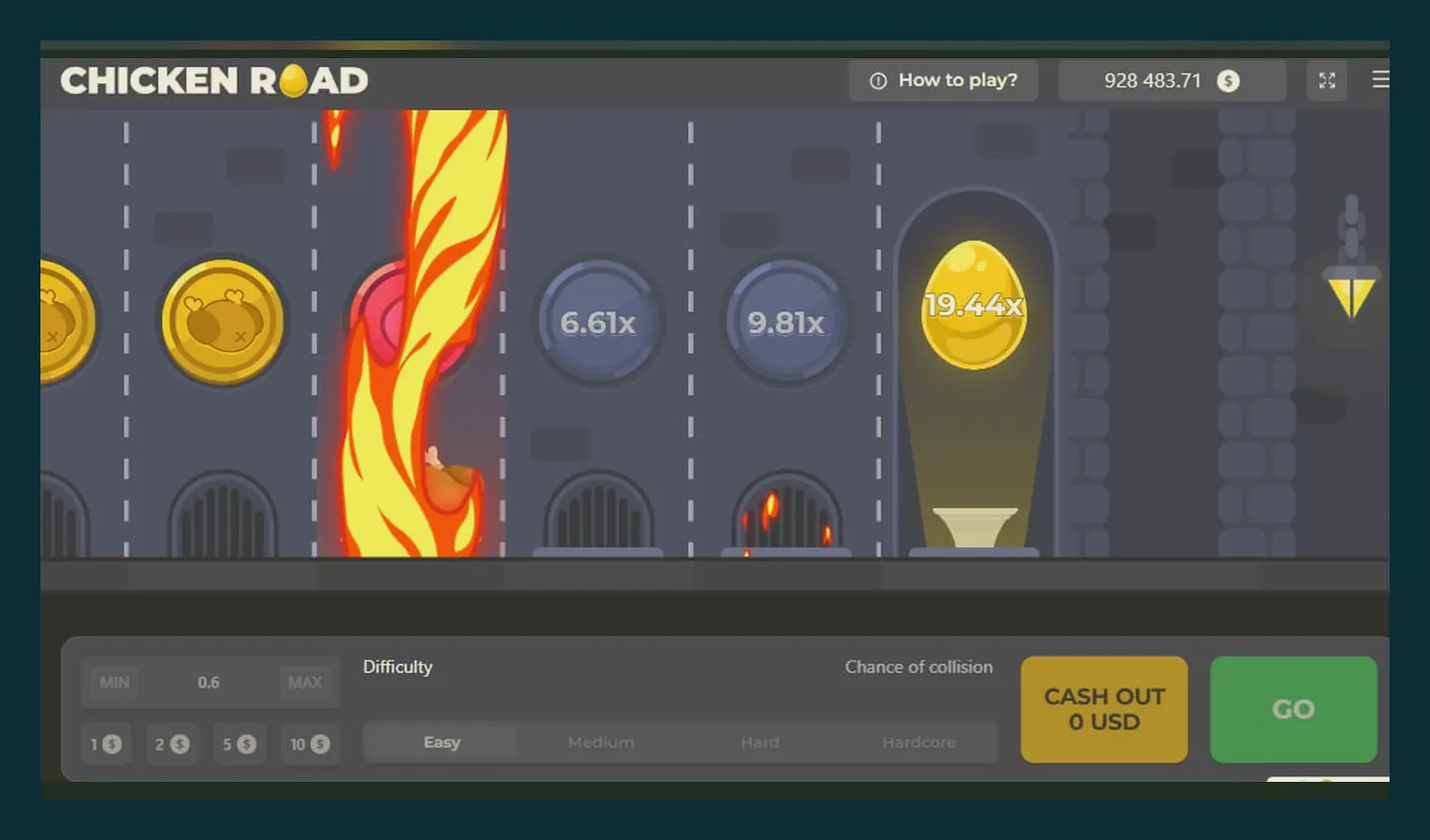
Chicken Road 2 is a crash-style game where you watch a multiplier climb and press cash-out before it ends. The verdict after three weeks: it's built for quick sessions, works beautifully on mobile, and the maths are transparent enough to plan around. If you like decision-driven games and can stick to a stop rule, this one rewards patience. If you chase losses or expect patterns in RNG, skip it.
I'm scoring it across seven areas, then walking through what actually happens in the first ten minutes, the first hour, and the first week. I'll cover how it behaves with Welcome Offers on UKGC-licensed sites, what alternatives exist, and how to structure a first session with £20 or £50.
Seven Scores and Why They Matter
The maths score is high because the game publishes its curve: early multipliers are more common, anything above 10× is rare, and 100× sits at roughly 1 in 100 rounds. That lets you plan. The bonus-friendliness score reflects the £5 stake cap on UKGC sites — if you're clearing a 35× wager on a £50 bonus, you'll need more rounds than a £10-per-spin slot. The mobile score would be a 10 if the font scaled better on smaller screens.
The First Ten Minutes: Learning the Tempo
In the first ten minutes, you're learning when to press the button. I started with £0.20 bets and an auto cash-out at 2×. The multiplier hit 2× in six of the first ten rounds, crashed below it in three, and sailed past 5× once. That's close to what the published curve predicts: low multipliers cluster, high ones don't.
The interface is a single screen: multiplier in the centre, bet controls at the bottom, a live feed of other players' cash-outs on the right. On mobile, that feed is hidden by default, which keeps the focus where it belongs. The animations are fast — no five-second anticipation build, just a line climbing and a button to press.
The First Hour: Where the Maths Show Up
After an hour — roughly 120 rounds at £0.20 each — I'd spent £24.00 and had £22.80 left. The RTP held close to 97%, but the experience wasn't smooth: I hit four rounds above 5× and one at 12×, but also saw eleven crashes below 1.5×. That's volatility. The game doesn't owe you a win every few spins, and chasing a loss by doubling your stake is how you empty a bankroll in five minutes.
What worked: setting an auto cash-out at 2× and leaving it there. Manual cash-outs are tempting when you see the line climbing, but greed adds variance you don't need. What didn't work: raising my stake to £1.00 after three losses in a row. I won that round at 3×, but the emotional decision was the risk, not the RTP.
- Low multipliers (1.2× to 2×) appeared in 65% of rounds, matching the published distribution.
- Multipliers above 10× appeared three times in 120 rounds — close to the 1% expectation.
- The longest losing streak was six rounds; the longest winning streak was four.
- Auto cash-out at 2× kept my spend predictable; manual play added £6.00 in losses from hesitation and greed.
The First Week: Patterns That Aren't Patterns
After a week, I'd played roughly 600 rounds across seven sessions. The RTP stayed near 97%, but the day-to-day swings were wide: one session ended +£18.00, another -£12.00, and most landed within £3.00 of the starting roll. That's what 97% RTP means in practice — you lose slowly over time, with short winning streaks that feel like patterns but aren't.
I started noticing behaviours in other players' cash-outs: someone would cash out at 1.5× ten times in a row, then once at 8×. I tried copying that rhythm and lost £7.00 in fifteen minutes. RNG doesn't care what the last round did. The game's fairness is in the maths, not in streaks or visual cues.
What became clear: this game rewards a fixed strategy and punishes improvisation. If you set a target cash-out and a stop loss before you start, you'll walk away with most of your roll intact. If you react emotionally to each round, you'll drain it.
How It Behaves on a Welcome Offer
Chicken Road 2 counts toward wagering requirements on most UKGC-licensed sites, but the £5 stake cap slows you down. If you've claimed a 100% match up to £50 with a 35× wager, you'll need to turn over £3,500.00. At £5.00 per round, that's 700 rounds. At 97% RTP, you'll lose roughly £105.00 of the bonus in the process — more if volatility swings against you.
Compare that to a low-volatility slot where you can spin £5.00 and hit frequent small wins: you'll clear the wager faster with less variance. Crash games are better for clearing wager with your own cash at lower stakes, where the £0.10 minimum and tight RTP keep the bleed slow.
What Works, What Doesn't, and Who Should Play
| Strengths | Weaknesses |
|---|---|
| 97% RTP with a published curve — you can plan around the maths | No bonus features or variety — every round is the same decision |
| Mobile build is flawless: fast load, smooth animations, works offline as a PWA | Multiplier font is small on phones under 6 inches |
| £0.10 minimum stake makes it accessible for small bankrolls | £5.00 stake cap on UKGC sites slows bonus clearing |
| Auto cash-out removes emotional decisions and keeps sessions predictable | High volatility punishes improvisation and chasing losses |
| Rounds finish in 10–30 seconds, so you control the session length | The simplicity can feel repetitive after 100+ rounds |
This game suits players who want decision-driven gambling, transparent maths, and mobile convenience. It's not for you if you need bonus features, visual variety, or the illusion of control that slots provide with hold-and-respin mechanics. And if you chase losses or tilt easily, the speed of crash games will punish you.
Four Alternatives and When to Pick Them
- Aviator (Spribe) — the category leader, with a slightly lower RTP (97%) but more polish in the interface. Choose it if you want the most established crash game on UKGC sites.
- JetX (SmartSoft Gaming) — similar mechanics, but with a theme and animations that feel more like a slot. Pick it if you want crash gameplay with visual flair.
- Mines (Spribe or Turbo Games) — a decision-driven game where you reveal tiles instead of watching a multiplier. Choose it if you want more control over each round's outcome.
- Plinko (Spribe or Turbo Games) — lower volatility, more frequent small wins, and a hypnotic visual style. Pick it if you want the maths transparency of crash games but with gentler variance.
Chicken Road 2 sits in the middle of this group: less polished than Aviator, less themed than JetX, but simpler and faster than both. If you've played one crash game, you've played them all — the choice comes down to interface preference and which sites carry them.
What Players Say (and What That Means)
I've collected opinions from forum threads, Trustpilot reviews of UKGC operators, and Reddit. These are subjective experiences, not proof of how the game will treat you. RNG doesn't care what happened to someone else.
- «I hit 50× on my third round and cashed out £25.00 from a £0.50 bet. Then I lost it back in ten minutes trying to do it again.» — Classic volatility trap. One big win doesn't predict the next hundred rounds.
- «The game feels rigged when you see five crashes below 2× in a row, but I tracked 500 rounds and the RTP held at 96.8%.» — This is what variance looks like. Short-term swings are brutal; long-term maths are reliable.
- «I prefer this to slots because I'm making the decision, not waiting for a random bonus trigger.» — Fair point. Crash games give you agency, but the outcome is still RNG.
- «The auto cash-out saved me from myself. I set it at 1.8× and walked away with £15.00 profit after an hour.» — This is the correct approach. Automation removes emotional risk.
- «I tried it on a Welcome Offer and the £5.00 cap made clearing the wager painfully slow. Took me three days.» — Accurate. Crash games aren't efficient for bonus clearing on UKGC sites.
- «The mobile version is better than the desktop version — everything's where your thumb expects it to be.» — Agreed. The mobile build is the strongest part of the design.
A First Session Plan With £20.00 or £50.00
Here's how I'd structure a first session, assuming you're playing on a UKGC-licensed site with no bonus attached and you've passed the age and identity checks. This plan prioritises learning the game's tempo and keeping your roll intact, not chasing a big win.
Why these numbers: £0.20 per round gives you 100 rounds from a £20.00 roll before the RTP drains it. The 2× auto cash-out sits in the most common part of the curve, so you'll see wins often enough to stay engaged. The stop loss protects you from tilt. The stop win ensures you walk away with a profit, which most players never do.
If you're using a £50.00 roll, keep the stake at £0.20 or raise it to £0.50 at most. Bigger stakes don't change the RTP; they just increase variance and emotional risk. And remember: the first withdrawal from any UKGC-licensed site takes 24–48 hours for document checks, then 1–3 working days for Faster Payments to your bank. Plan accordingly.
FAQ
Is Chicken Road 2 available on UKGC-licensed sites?
Yes, it's carried by several operators with UKGC remote licences. Check the footer of any site for the licence number and verify it in the UKGC public register before you deposit. And remember: if you're registered with GAMSTOP, you'll be blocked from all licensed sites.
Can I play Chicken Road 2 in demo mode?
Most UKGC-licensed sites offer demo play, but you'll need to log in and pass age verification first. Free play without an account is rare on UK operators. If you see a demo button that works without logging in, double-check the site's licence — unlicensed operators don't follow the same rules.
Does Chicken Road 2 count toward Welcome Offer wagering?
It usually counts, but terms vary by operator. Some sites count crash games at 100%, others at 50% or 10%, and a few exclude them entirely. Check the bonus terms before you claim. And keep in mind: the £5.00 stake cap on UKGC sites slows down wager clearing compared to slots.
What's the smallest bankroll I can play Chicken Road 2 with?
The minimum stake is £0.10, so you could start with £10.00 and get 100 rounds at 1% of your roll per spin. But a £20.00 or £50.00 roll gives you more cushion against variance. At 97% RTP, expect to lose roughly 3% of your total wager over time — short-term swings will be wider.
Is there a mobile app for Chicken Road 2?
The game runs in mobile browsers and works as a progressive web app, which means you can add it to your home screen and it'll behave like a native app. No separate download needed. The mobile build is smooth — better than the desktop version in my experience.